The Ossaye Family
Our Story
Five generations on Tecuamburro volcano. From a letter during World War I to the specialty coffee of today.
The Ossaye Family
Five generations on Tecuamburro volcano. From a letter during World War I to the specialty coffee of today.
The story begins with a letter.
Sometime during the First World War, a young Guatemalan named Federico Ossaye Zebadua was asked by a family in Guatemala to deliver a letter to their friends in France. It was the kind of errand that changes a life — because the friends had a daughter named Suzanne Reignard. Federico and Suzanne met only three times before he asked her to marry him. She said yes, and they were married in France.
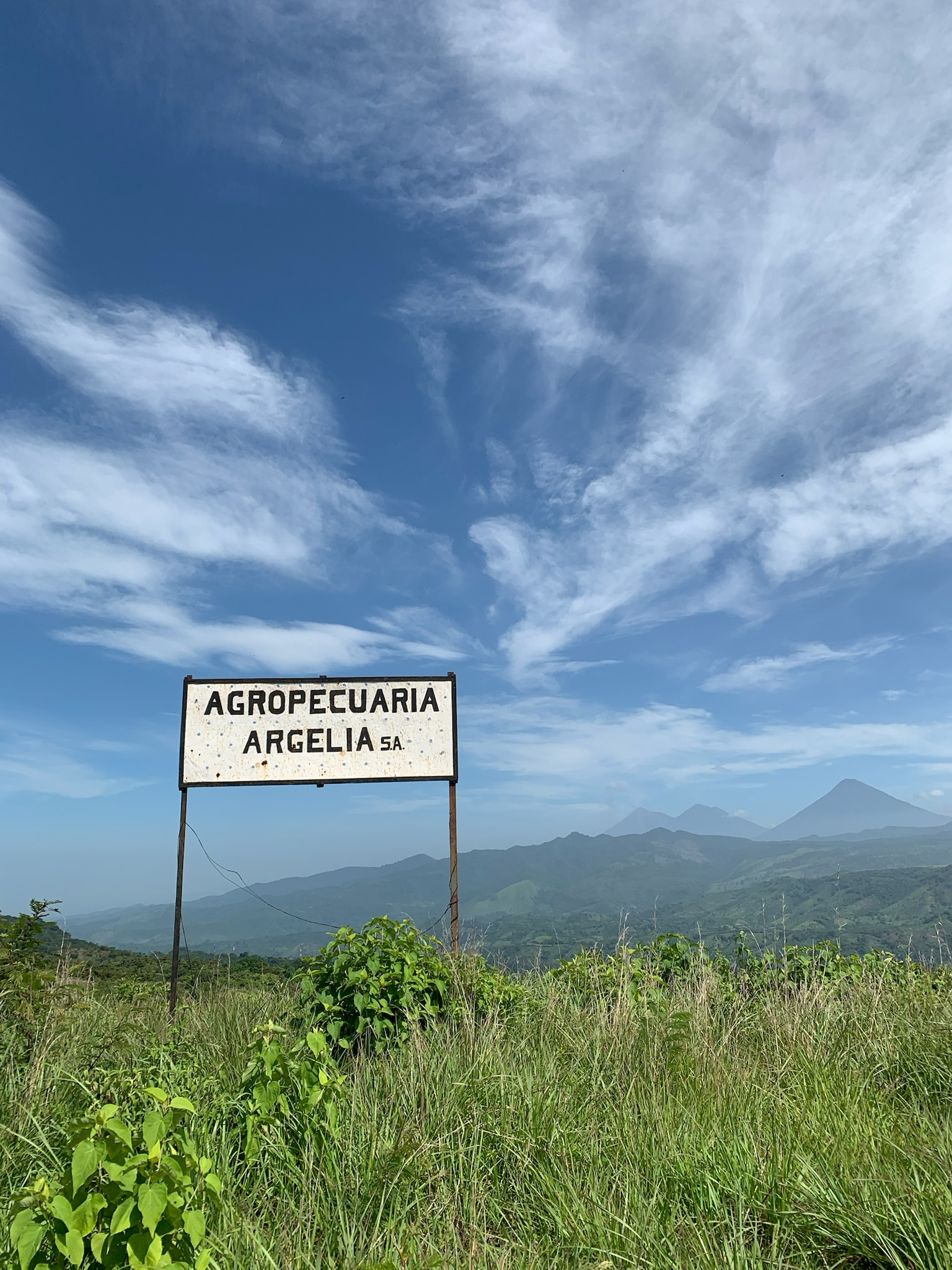
Federico brought Suzanne back to Guatemala, to the volcanic slopes of Tecuamburro mountain in Santa Rosa, where the humid Pacific lowlands meet the cooler highlands, where the rain is steady but never excessive, and where the volcanic clay soil runs deep with minerals and stone. Federico worked as the farm’s manager under its owner, Felipe Weller. The property had existed since around 1890, and over the years Federico proved himself indispensable to its operation. Eventually, he purchased the farm from his employer around 1920, becoming the owner of the land he had already been cultivating. He and Suzanne raised two children there — Roland and Eleonore — in a farmhouse that still stands today, 120 years after it was built.
When their grandmother Henriette traveled from France to Guatemala to meet her grandchildren, she took Roland and Eleonore back with her across the Atlantic. Roland spent years in Europe — first at an institute in Auxerre, then in England, where he learned English. When the Second World War erupted, Roland returned to Guatemala. He met Iride Olivoto, and they married. Together they had four children — the second of whom was Annelie Henriette Ossaye Olivoto. In 1965, Roland took over managing the farm from his aging father Federico. Under Roland’s hand, Finca Argelia expanded and thrived. He managed it for four decades.
When Roland passed away in 2005, Annelie — who had grown up on the same land, under the same shade trees, walking the same volcanic ridges her grandfather Federico had first worked as a young manager — took the reins. She held the farm together through some of the most difficult years in Guatemalan coffee, keeping the Bourbon trees healthy, the workers employed, and the land intact.
In 2019, the fifth generation arrived. Annelie’s grandson had grown up visiting the farm with her, running between the coffee rows as a child while his great-grandfather Roland was still alive. After finishing college, he came back — not out of obligation, but out of love for the place. He began modernizing the operation: improving cost efficiency, introducing new agricultural techniques, increasing production. But just as every generation before him had done, he didn’t only work the land — he wove his own life into it. Some of his most cherished memories were made at Finca Argelia: proposing to his wife on the farm, and baptizing their daughter in the hundred-year-old chapel that has stood on the property since his ancestors built it.
In 2025, management of the farm was formally passed to him, though he still works hand in hand with his grandmother Annelie. Some decisions require the wisdom of the person who kept the farm alive for twenty years. Others require the energy of someone building it for the next twenty.
Today, Finca Argelia spans 855 hectares on Tecuamburro mountain. Of that, 70 hectares are planted in coffee — traditional Bourbon trees averaging 40 years old, their roots deep in volcanic clay, shaded by Cedro and Gravilea, fed by three natural springs. The remaining land tells an equally important story: over 450 hectares of native forest, formally protected in partnership with INAB, Guatemala’s National Forestry Institute — the largest private protected forest in the region. Since 2023, the farm has been actively replanting 45 hectares per year with native species, rebuilding what time and previous land use had taken.
A hundred and thirty-five years after it was founded, Finca Argelia is still a family operation. Twenty permanent employees and a hundred seasonal workers during harvest. A dedicated women’s group leading organic pest management. Composting and vermiculture programs. Water treatment on-site. Housing, meals, healthcare, and education support for workers and their families. Approximately fifty families depend on the farm for their livelihoods.
And at the center of it all — the same farmhouse where Federico brought Suzanne from France after meeting her only three times, where they raised Roland and Eleonore, where Annelie grew up as one of four siblings, where a young man proposed to his wife and where his daughter was baptized in the old chapel. One hour from Guatemala City by car, but a world apart. Five generations. One mountain. The same Bourbon. The story continues.
"Federico and Suzanne met only three times before he asked her to marry him. She said yes, and they were married in France. He brought her back to Guatemala, to the volcanic slopes of Tecuamburro."
~1920 · First Generation
During the First World War, Federico was asked to deliver a letter to a family in France — where he met Suzanne Reignard. They married, and he brought her to Guatemala. After working as farm manager under Felipe Weller, Federico purchased the property around 1920. He and Suzanne raised two children — Roland and Eleonore — in the farmhouse that still stands today.
1965–2005 · Second Generation
Federico and Suzanne’s son, Roland spent years in Europe — first at an institute in Auxerre, France, then in England, where he learned English. When the Second World War erupted, Roland returned to Guatemala. He married Iride Olivoto and together had four children. In 1965, he took over managing the farm from his aging father Federico, expanding and nurturing it for four decades.
2005–2025 · Third Generation
When Roland passed away in 2005, Annelie took the reins. She had grown up on the same land, under the same shade trees, walking the same volcanic ridges her grandfather Federico had first worked as a young manager. She held the farm together through some of the most difficult years in Guatemalan coffee, keeping the Bourbon trees healthy, the workers employed, and the land intact.
Fourth Generation
Annelie’s children grew up on the farm, running through the coffee rows and swimming in the natural lagoon. They experienced the rhythms of harvest and the quiet of the green season. The farm was their playground and their classroom — a place where the family’s bond with the land was renewed in each new generation.
2019–Present · Fifth Generation
Annelie’s grandson returned after college in 2019 — not out of obligation, but out of love for the place. He began modernizing the operation: improving cost efficiency, introducing new agricultural techniques, increasing production. He proposed to his wife on the farm and baptized their daughter in the hundred-year-old chapel. In 2025, management was formally passed to him, though he still works hand in hand with his grandmother Annelie.
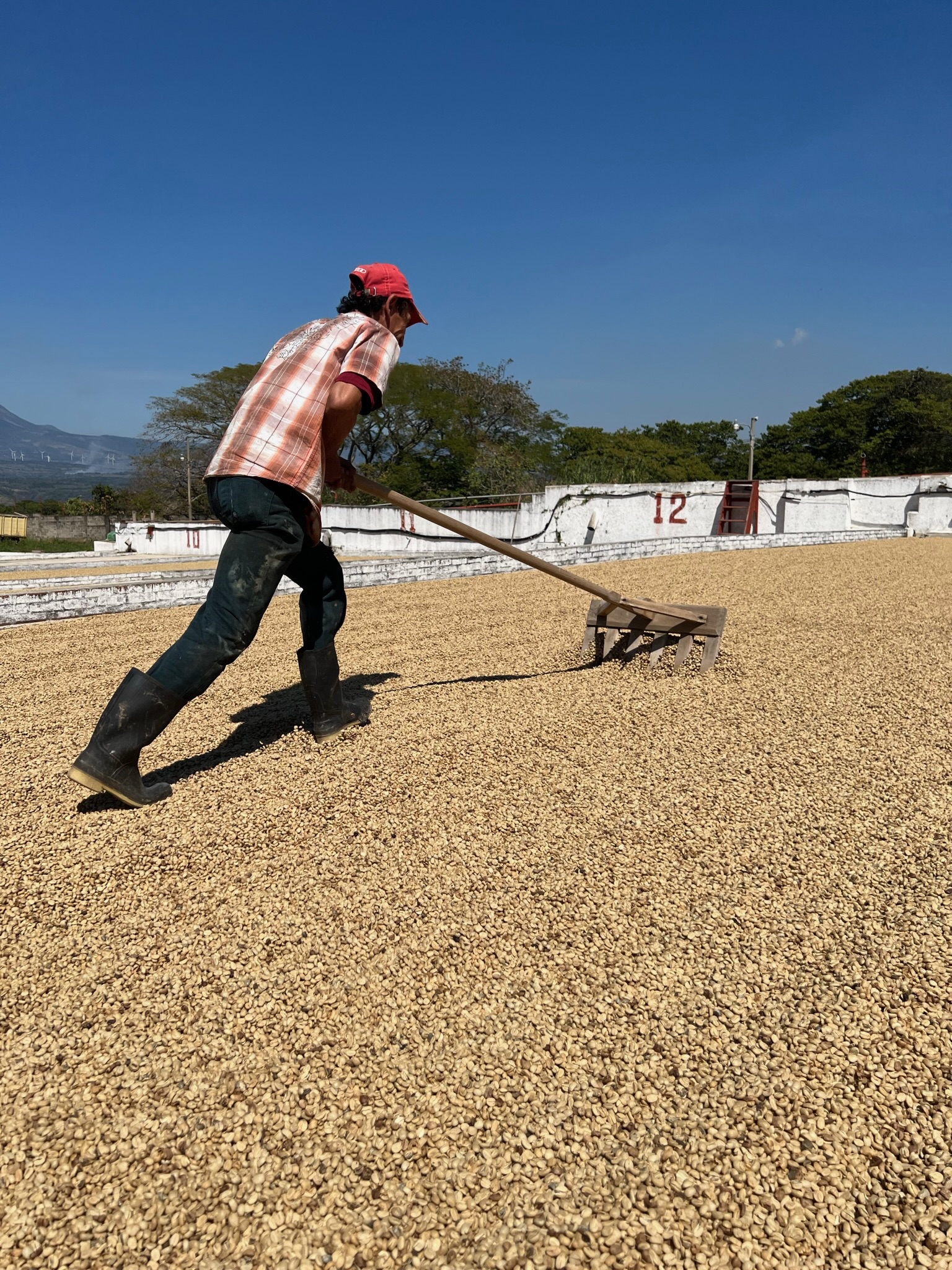
A hundred and thirty-five years after it was founded, Finca Argelia is still a family operation. Twenty permanent employees and approximately one hundred seasonal workers during harvest. Approximately fifty families depend on the farm for their livelihoods.
A dedicated women's group leads organic pest management. Composting and vermiculture programs enrich the soil. On-site water treatment protects the watershed. The farm provides housing, meals, healthcare, and education support for workers and their families.
"And at the center of it all — the same farmhouse where Federico brought Suzanne from France after meeting her only three times. Five generations. One mountain. The same Bourbon. The story continues."